
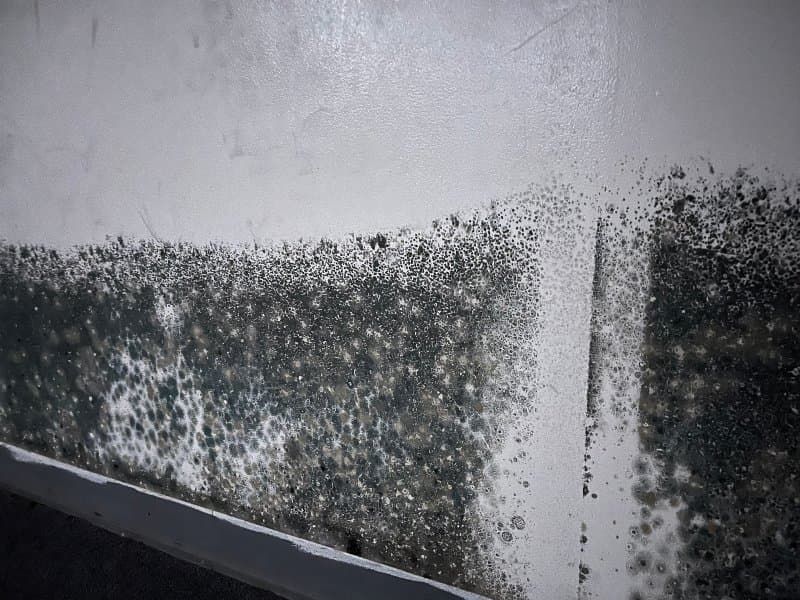
You've spotted something growing on your bathroom wall, basement ceiling, or around a window frame. Is it mold? Mildew? Does it matter? The short answer: yes, it matters quite a bit. While both are fungi that thrive in moisture, they differ in appearance, health risk, and how they should be treated.
At Sano Steam Cleaning & Restoration, we've been identifying and remedying mold and mildew in Wilmington homes for over 30 years. Here's how to tell the difference — and when to worry.
What Is Mildew?
Mildew is a surface-level fungus that grows on damp surfaces. According to the CDC's mold resource page, mildew is generally considered a less serious form of fungal growth.
Identifying Mildew
- Color: Typically white, gray, or light yellow. May turn brown as it ages.
- Texture: Flat, powdery, or fluffy on the surface
- Location: Grows on surfaces — shower walls, window sills, damp fabrics, paper
- Growth pattern: Stays on the surface; doesn't penetrate materials deeply
- Smell: Musty but mild compared to mold
What Is Mold?
Mold is a more aggressive fungus that penetrates the materials it grows on. The EPA's mold guide identifies thousands of mold species, some of which produce mycotoxins that pose serious health risks.
Identifying Mold
- Color: Black, green, blue, red, or dark brown. Black mold (Stachybotrys chartarum) is the most recognized but far from the only dangerous species.
- Texture: Often fuzzy, slimy, or raised. May appear in spots or patches that grow over time.
- Location: Grows on and INTO materials — drywall, wood, insulation, carpet, behind walls
- Growth pattern: Penetrates deep into porous materials, often growing behind walls and under surfaces where you can't see it
- Smell: Strong, earthy, musty odor that gets stronger as the colony grows
The Bleach Test
A simple way to differentiate mold from mildew: apply a small amount of household bleach to the growth. If it lightens within a few minutes, it's likely mildew. If it stays dark or returns quickly, it's likely mold that has penetrated below the surface. Note: This is a diagnostic test only — bleach is NOT an effective long-term mold treatment.
Health Risks: Mildew vs. Mold
Mildew
Mildew can cause mild respiratory irritation, coughing, and headaches in sensitive individuals, but it's generally considered a low-level health concern that can be resolved with surface cleaning and improved ventilation.
Mold
Mold poses significantly greater health risks. The CDC reports that mold exposure can cause:
- Allergic reactions (sneezing, red eyes, skin rash)
- Asthma attacks in people with asthma
- Respiratory infections in immunocompromised individuals
- Chronic sinus infections
- In severe cases, neurological symptoms from mycotoxin exposure
If anyone in your household is experiencing unexplained respiratory symptoms, especially if they worsen when at home, mold should be investigated. Our allergy relief services can help improve your indoor environment.
Treatment: Mildew
Mildew can often be handled with DIY cleaning:
- Scrub with a mildew-specific cleaner or hydrogen peroxide solution
- Improve ventilation (exhaust fans, open windows)
- Reduce moisture with dehumidifiers
- Clean and dry affected fabrics
- For persistent mildew on grout, professional tile and grout cleaning with proper sealing prevents recurrence
Treatment: Mold
Mold requires a more aggressive approach, especially when the affected area exceeds 10 square feet or when mold is behind walls or in HVAC systems:
- Professional assessment: Our mold testing service identifies the species and extent of contamination
- Containment: Mold spores spread easily — professional remediation includes containment barriers and negative air pressure
- Removal: Contaminated materials may need to be removed and replaced. Mold that has penetrated drywall, insulation, or wood framing can't simply be wiped away.
- HEPA filtration: Air scrubbers with HEPA filters capture airborne spores during and after remediation
- Source correction: The moisture source must be identified and fixed, or mold will return. Our moisture investigation finds hidden water intrusion.
Professional mold remediation follows the IICRC S520 Standard for mold remediation, ensuring thorough and safe removal.
Why Wilmington Is a Hotspot
Wilmington's subtropical climate, proximity to the coast, and frequent storms create ideal conditions for both mold and mildew. Homes here need to be more vigilant about moisture control than homes in drier regions. Read our article on why Wilmington homes are especially prone to mold for more on the local factors at play.
When to Call Sano Steam
If you can see mold growth larger than a few square feet, smell persistent musty odors, or are experiencing health symptoms, call us at (910) 350-0000. We've been Wilmington's trusted mold remediation experts since 1989 — veteran-owned, BBB A+ rated, and available 24/7 for emergencies.