
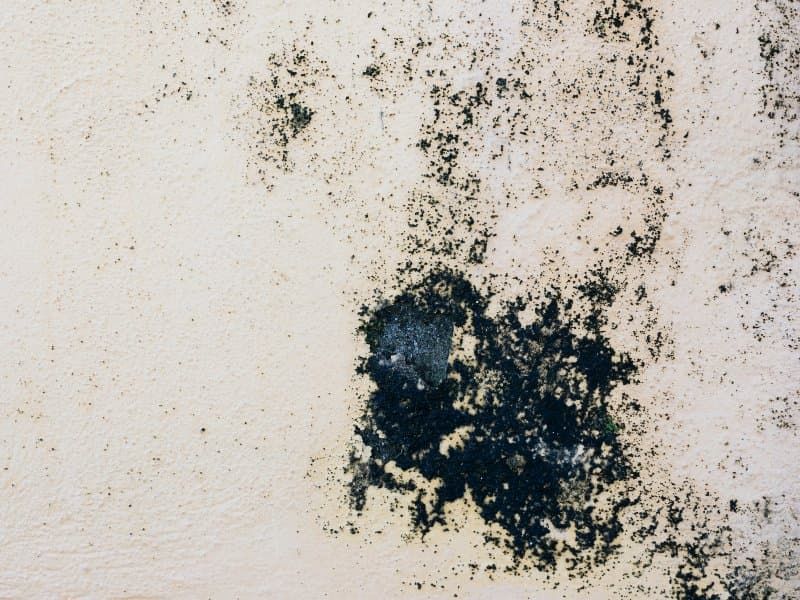
If you live in Wilmington, NC, you've probably dealt with mold at some point — on bathroom grout, in a closet, around windows, or worse, behind walls. It's not your fault and it's not because your home is poorly built. It's because Wilmington sits at the intersection of nearly every factor that promotes mold growth.
At Sano Steam Cleaning & Restoration, we've been fighting mold in Wilmington homes since 1989. Here's why our area is a mold hotspot — and what you can do about it.
Factor 1: Subtropical Humidity
Mold needs moisture to grow, and Wilmington delivers it in abundance. According to NOAA climate data for Wilmington, our area averages:
- Average relative humidity: 73-85% (depending on season and time of day)
- Annual rainfall: approximately 57 inches
- Mild winters that don't kill mold colonies (average January temp: 47°F)
Mold thrives when relative humidity exceeds 60%. In Wilmington, outdoor humidity rarely drops below that threshold from April through October.
Factor 2: Coastal Proximity
Living near the ocean, Cape Fear River, and Intracoastal Waterway means moisture is everywhere. Salt air holds more moisture than dry air, ocean breezes carry water vapor directly into homes, and the water table sits close to the surface, pushing ground moisture into crawl spaces and foundations.
Factor 3: Building Styles
Many Wilmington homes have features that make them more susceptible to moisture and mold:
- Crawl space foundations: Common in eastern NC, crawl spaces sit directly above moist soil. Without proper encapsulation, moisture migrates up into the home continuously.
- Older homes: Wilmington's historic districts are full of beautiful homes built before modern vapor barriers, ventilation standards, and moisture management techniques existed.
- Flat or low-slope roofs: Some coastal architectural styles use low-pitch roofs that are prone to ponding water and leaks.
Factor 4: Storm Exposure
Wilmington sits in one of the most hurricane-prone areas on the East Coast. Even minor tropical systems can drive rain through building envelopes, damage roofing, and cause flooding that leaves hidden moisture behind. The aftermath of Hurricane Florence (2018) caused mold problems in Wilmington homes that persisted for years.
Read our hurricane season preparation guide for strategies to minimize storm damage.
Factor 5: Air Conditioning Creates Condensation
This is one of the less obvious factors. When you air-condition a home in a humid climate, the temperature difference between cold interior surfaces and warm, humid exterior air creates condensation — the same process that makes a cold glass "sweat" on a hot day.
This condensation often forms inside wall cavities, in attic spaces, and around windows where you can't see it. Over time, it creates the perfect mold habitat.
Common Mold Hotspots in Wilmington Homes
- Bathrooms: Obviously. Combine daily moisture with the existing humidity and it's a constant battle. Professional tile and grout cleaning with proper sealing helps.
- Crawl spaces: Ground moisture, poor ventilation, and organic building materials (wood joists, insulation) create ideal conditions.
- HVAC systems: Condensation in ductwork and on coils feeds mold growth that then gets distributed throughout the home. Regular air duct cleaning is essential.
- Behind walls: Especially exterior-facing walls and walls adjacent to bathrooms or kitchens.
- Under sinks: Slow plumbing leaks that go unnoticed for months.
- Closets: Poor air circulation plus moisture equals mold on clothing, shoes, and walls.
- Around windows: Condensation and potential leak points make window frames a common mold location.
What You Can Do
Control Indoor Humidity
Keep indoor relative humidity below 50% with dehumidifiers and proper HVAC operation. The NC Department of Health and Human Services recommends monitoring indoor humidity and addressing issues promptly.
Improve Ventilation
Run bathroom exhaust fans during and for 20 minutes after showers. Ensure kitchen range hoods vent to the exterior. Keep interior doors open for air circulation.
Address Moisture Sources
Fix leaks immediately, no matter how small. Ensure gutters direct water away from the foundation. Consider crawl space encapsulation if yours is unfinished.
Schedule Regular Professional Services
- Moisture investigation to find hidden problems before they become expensive
- Mold testing for homes with persistent musty odors or health concerns
- Carpet cleaning to remove trapped mold spores from flooring
- Disinfecting and sanitizing for comprehensive microbial control
Learn about signs of hidden moisture in your coastal home and how to tell mold from mildew.
Fighting Mold Since 1989
Sano Steam has been helping Wilmington homeowners fight mold for over three decades. As a veteran-owned company with a 4.9-star rating, we offer professional mold remediation, testing, and prevention services. Call (910) 350-0000 to schedule an assessment.